Vice in an Internet Age
Is there really nothing new under the sun — even online gambling?
Cultural vice has always been present, but smartphones have “super-sized” vice in profound ways. Online gambling and prediction markets are ubiquitous, and streaming pornography largely normalized – with dangerous societal effects.
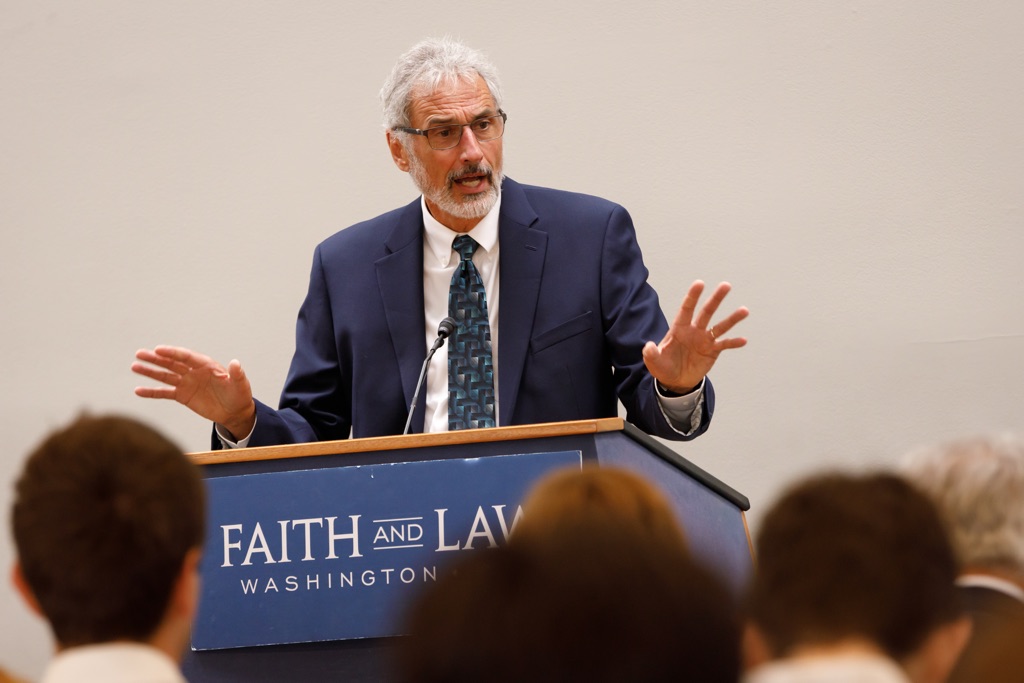
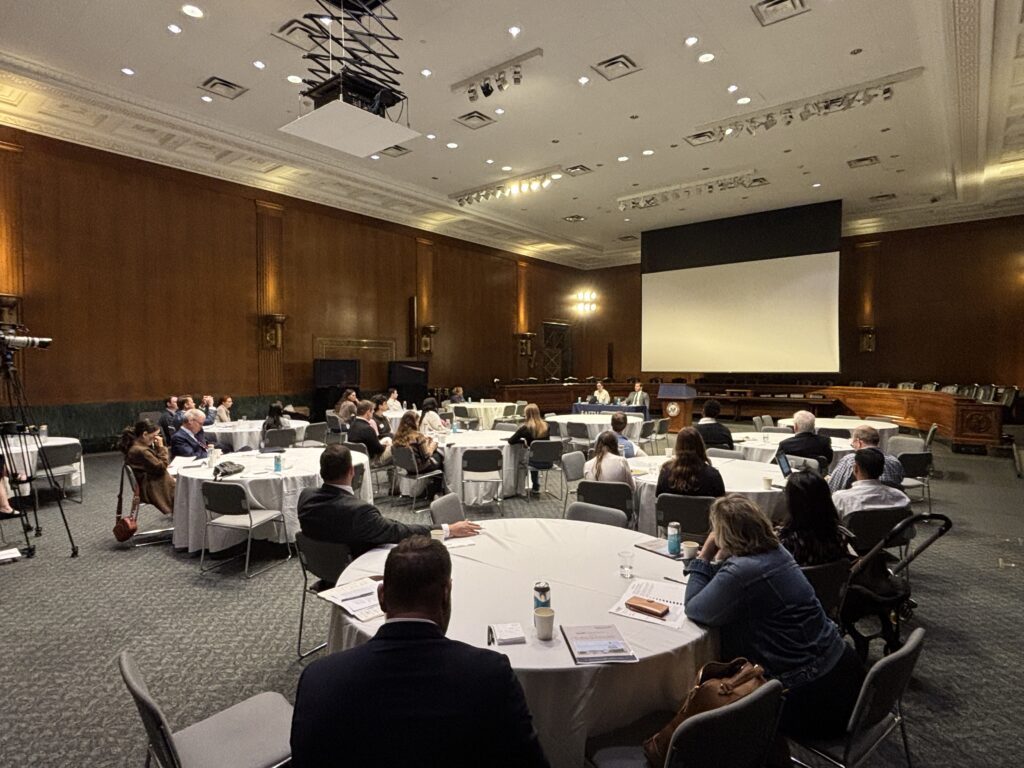
In a recent Friday Forum, Ms. Emba, senior fellow at the American Enterprise Institute (AEI), and Dr. Cohen, sports betting policy lead at The American Institute for Boys and Men, joined us for a discussion on the impact vice has on today’s demographic and what it will take to rein in these activities.
Emba dates the significant cultural shift to 2018 when the Supreme Court ruled in Murphy v. NCAA that individual states could legalize commercial sports betting, kicking off “a boom that has not subsided yet.” Today it is almost impossible to watch a sporting event without being “beckoned to place a prop bet,” she said. Temptation extends to news viewers, who can now gamble on world events, and on banking apps, where savers can gamble away their money right where it is safely stored.
Gambling is as old as time, but the new forms are pernicious. “There is something different about going to a physical casino and virtual gambling on your phone at 3AM,” said Cohen. Online vice is bad, but the normalization and hiddenness of a disembodied addiction is worse.
Prediction markets also encourage the commodification of our neighbors, tempting us to bet on their loss or disfavour. Many people who make these bets are essentially saying to themselves, “If that person dies, I’ll make $50,000.” This kind of turning against our neighbors is corrosive, “especially in a large, diverse society like ours,” warned Emba.
What’s to be done? People drawn in by online gambling are seeking something, said Cohen. “We must counter that temptation by providing real opportunities for young people, especially young men.”
Congress can also work to regulate the online betting industry. “For better or worse, the government has already created standards: what kind, where, who can participate… but how these regulations can be applied to online gambling is another question Christians must work urgently to answer.”
Reviving moral discourse is also necessary. “In our increasingly pluralistic world, we tend to not want to cast moral judgments on other people,” said Emba. “But if there are things we can call vices, versus amusements or distractions, that seem to be working against societal flourishing, then the people in charge of how to safeguard society” need to take action.
“When even Christians use social-scientific reasoning instead of moral language, what has America lost in … the “evaporation of moral discourse?” asked Cohen.
Thank you, Christine Emba and Dr. Cohen, for speaking to us on internet vice and encouraging the use of moral language in the public sphere. Our Lord cares about all of human flourishing, even in the online realm, for our good and His glory.

Faith and Law is a non-profit ministry started by policy makers and for policy makers.