Politics and Our Sense of the Divine
Christians believe that, deep down, every human being knows God, whether that knowledge is acknowledged or suppressed. Long the domain of apologetics, what are the implications of this “sense of the divine” for public life?
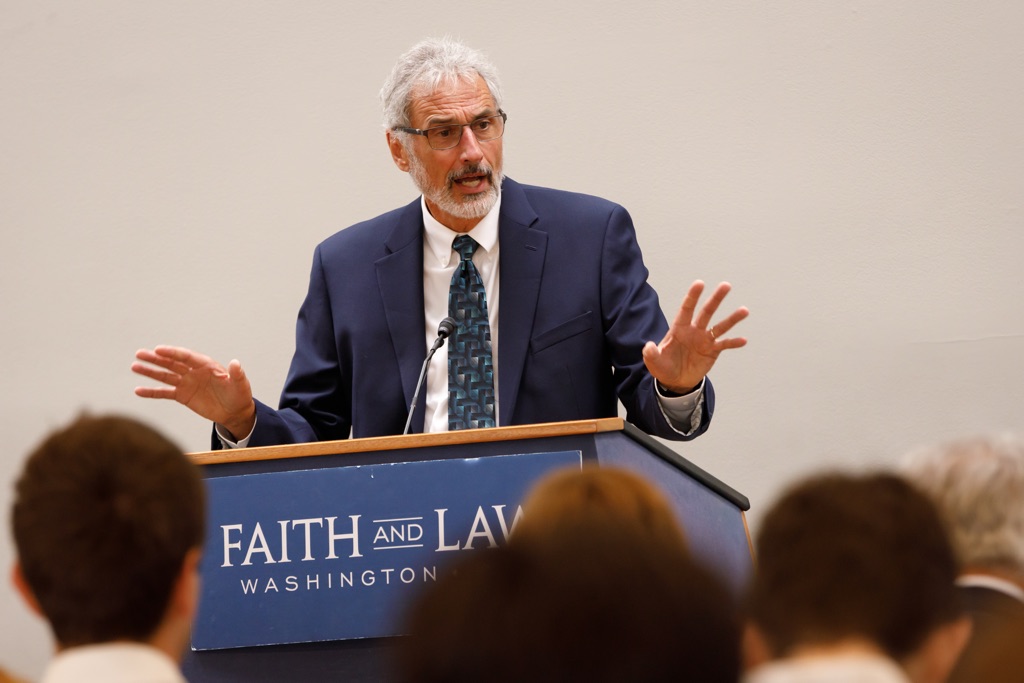
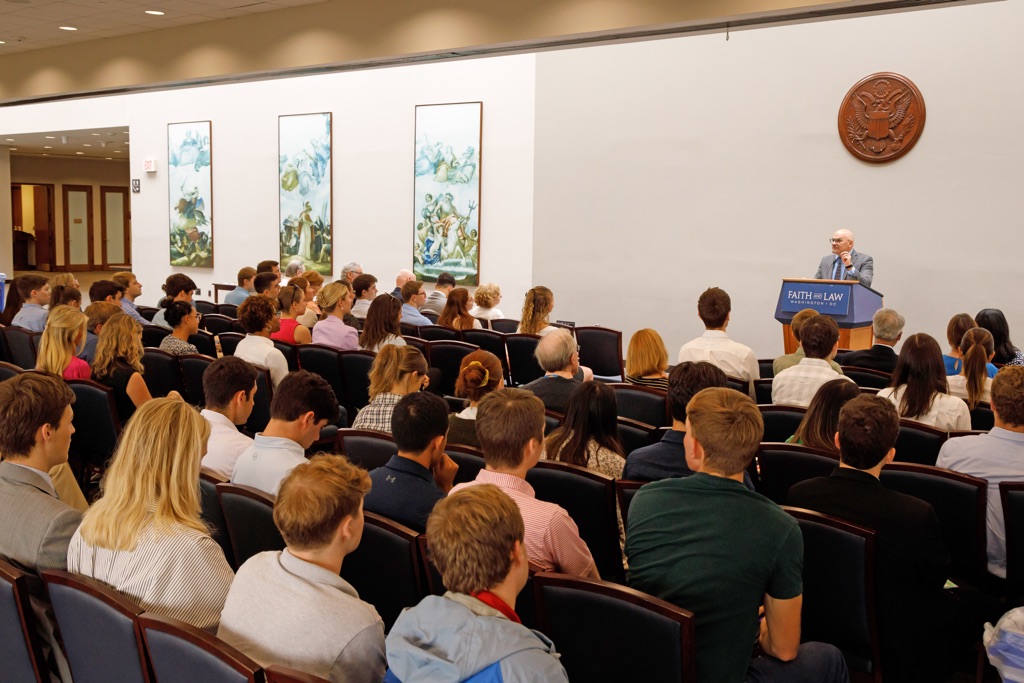
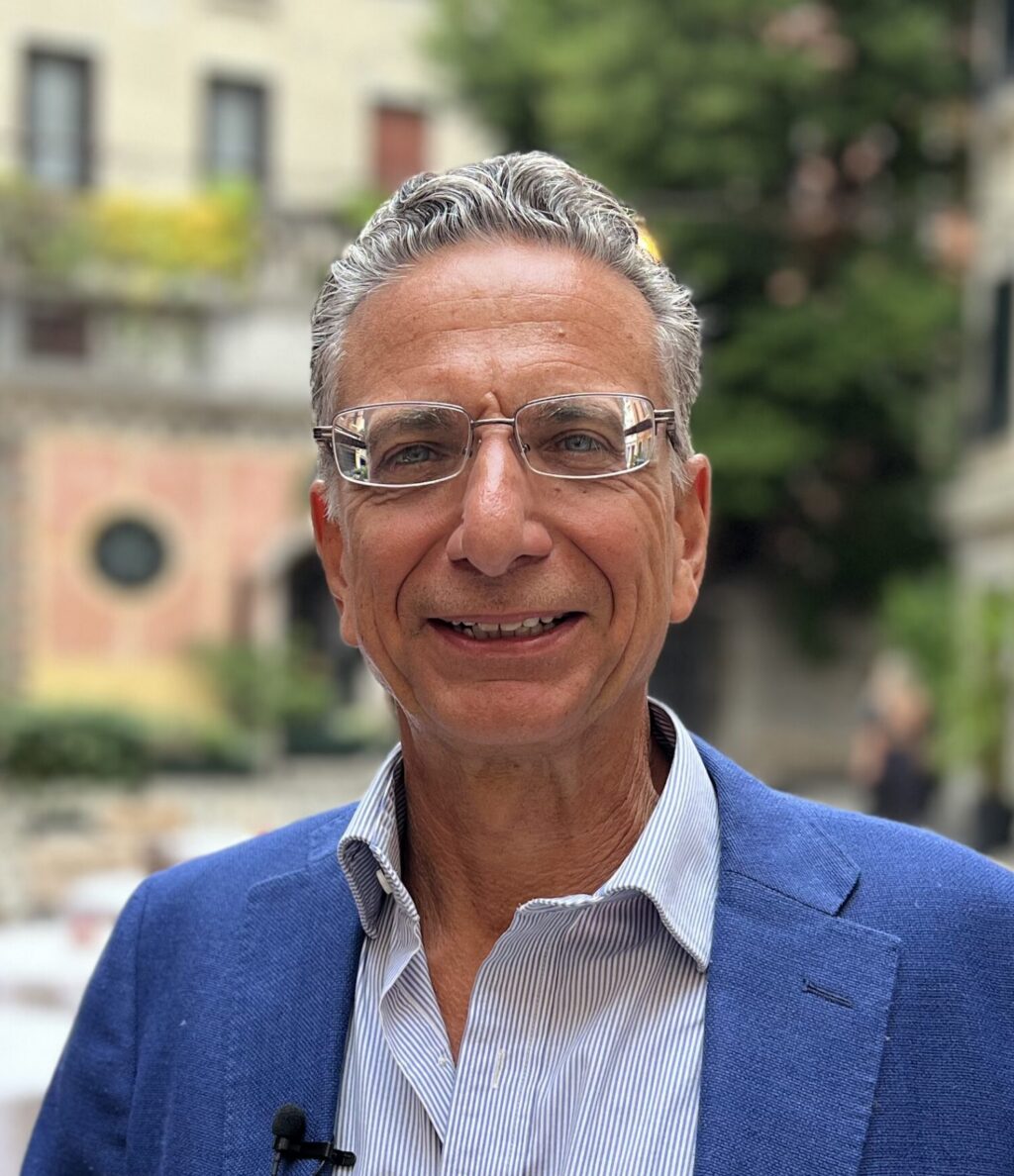
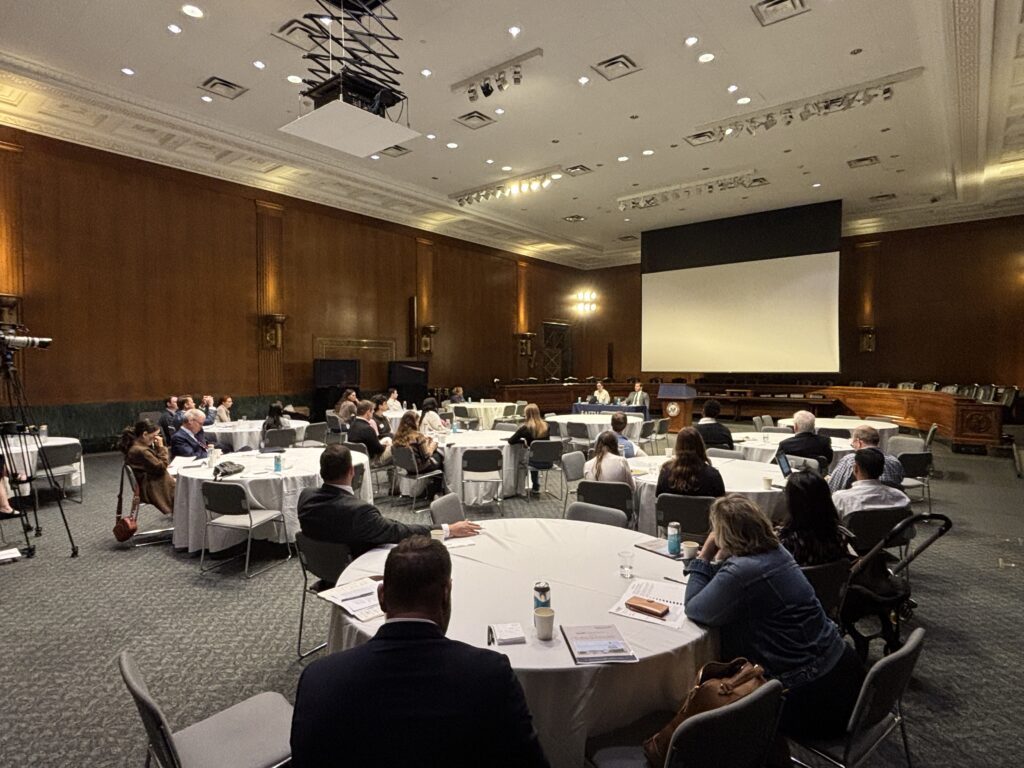
In a recent Friday Forum, Dr. Gray Sutanto, Associate Professor of Systematic Theology at the DC Campus of Reformed Theological Seminary and author of a new book, A Sense of the Divine, joined us to discuss the implications of this shared awareness for living peaceably together in a fallen world.
“Everyone has an implicit knowledge of God,” said Sutanto, reflecting on Romans 1:18-22. Since we are all image bearers, this “sense of the Divine” is not something to discover, but already innate in the human spirit “more like the air we breathe.”
People reject the sense of the Divine, he said, not because of a lack of evidence, but because the existence of this true God makes us feel naked and ashamed. “Since the Fall, we have always known God but are running away.” Unbelief is suppression of this knowledge of God… yet “everyone is still religious.”
How does the Divine sense impact political life?
Drawing on work of J.H. Bavinck, a 20th century Dutch pastor and theologian, Sutanto described five “magnetic points” that arise from the sense of the Divine: the need for belonging, norms, a higher power, deliverance and destiny. For Christians, these longings are ultimately satisfied through union with Christ, which gives ballast to our lives. Unbelievers seek to satisfy these needs through the created order, which is passing away. Understanding our shared longings helps us relate to people with different worldviews, a key element in God’s design for political life, said Sutanto.
Sutanto also discussed the role of government in redemptive history. Situated between Christ’s first and second comings, government is an institution of common grace. It is created as “a preservative for this fallen order, and not an institution of creation or glory,” he said.
“Heaven is the renewal of creation, but nothing we are doing right now is bringing about heaven on earth. This relativizes everything we are doing here and contextualizes our political life. I think political life is about living together in common as we wait for Christ’s return, not about ushering in Christ’s return.”
While the moral law certainly has implications for public life, Sutanto warned against imposing it on “the public conscience” as it would “stifle innate human religiosity.” Rather, Sutanto envisions a “bottom-up persuasion process through the organic church, rather than the government.”
“Be a preservative,” he concluded. “Be a helpful ballast when people are putting their hopes in things on this earth. When things are really heated, be that restful calming place to remind others, ‘Hey, we are here in this together… put your longings somewhere else.’”
Thank you, Dr. Sutanto, for reminding us that we all share a sense of the Divine. May we be inspired to work toward a just and peaceable society as we await the coming Kingdom.
Faith and Law is a non-profit ministry started by policy makers and for policy makers.